Workflow automation for agriculture and food producers
How agriculture and food production teams can reduce admin across orders, harvest planning, inventory, quality records, logistics, and reporting.
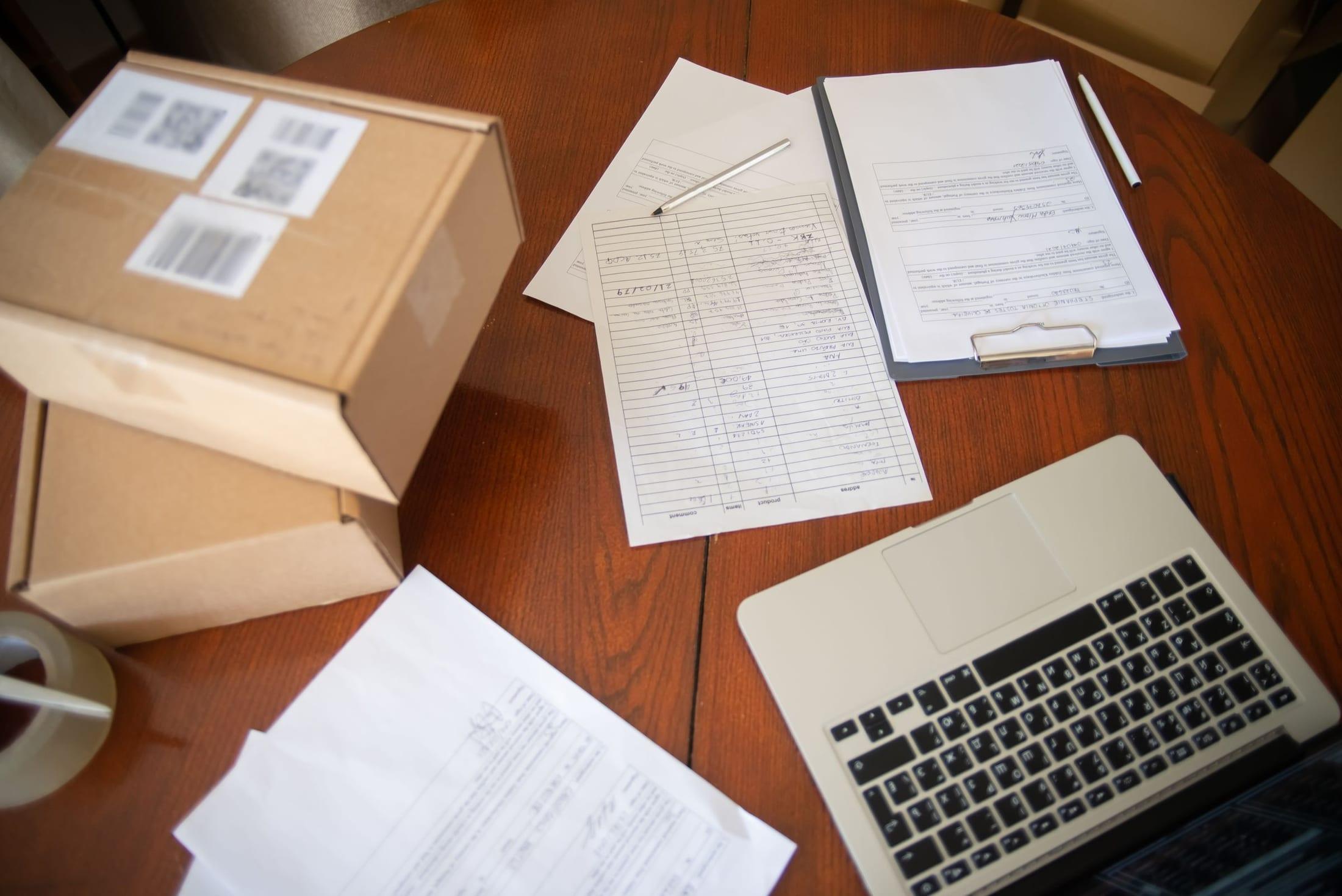
Agriculture and food production businesses often have practical, physical workflows supported by very manual admin.
Harvest planning, orders, stock, quality records, labour, logistics, compliance, and customer reporting can sit across paper, spreadsheets, inboxes, and finance tools. That works until volume, traceability, or customer expectations increase.
Where the workflow breaks
Common manual steps include:
- Orders and forecasts copied into production plans.
- Labour or harvest data captured separately.
- Quality and compliance records stored in folders or spreadsheets.
- Inventory updated after work has already moved.
- Logistics instructions copied between teams.
- Customer and margin reports rebuilt from several sources.
The risk is not just time lost. It is late visibility.
What to automate first
Good first candidates are:
- Order and forecast intake.
- Harvest or production planning.
- Inventory and availability tracking.
- Quality and compliance capture.
- Dispatch and logistics handoffs.
- Customer reporting.
Automation should support the operational rhythm, not force field teams into awkward software.
What better systems should do
A useful workflow layer should:
- Connect orders to production and dispatch.
- Capture structured records at the right point in the process.
- Show exceptions early.
- Reduce manual entry between inventory, finance, and customer systems.
- Keep traceability data accessible.
- Give managers a clearer view of supply, demand, and margin.
The right system is often a simple, durable layer around existing tools.
When custom software makes sense
Custom software makes sense when off-the-shelf systems cannot handle the specific rules of production, seasonality, quality, or customer reporting.
If the business depends on one person translating operational reality into spreadsheets, that is the first workflow to improve.